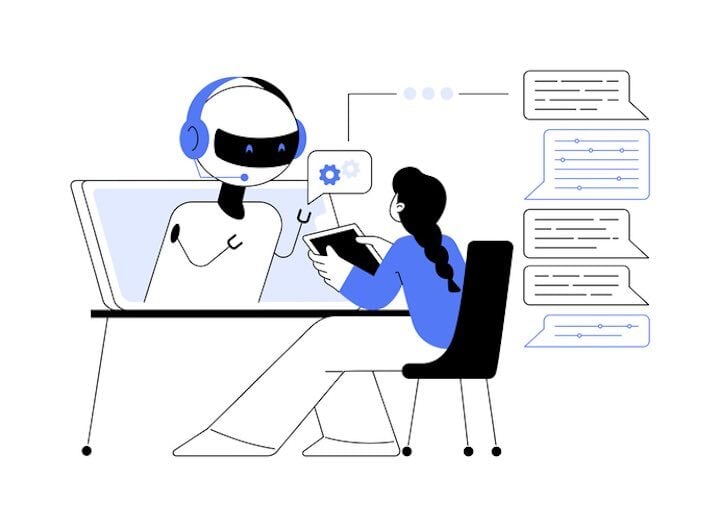
When you’re planning a multilingual AI chatbot, it’s easy to get excited about how many languages it could support. But before you start adding them, think about who’s asking your business for help. Where do your customers live? Which languages appear in your support requests? Where are people leaving because they can’t find an answer?
As a Language Service Provider (LSP), we’d want to understand that before recommending a launch plan. You might get more value from doing three languages well than rushing to introduce fifteen.
There’s a reason this matters. In its 2020 survey of 8,709 consumers, CSA Research found that 76% preferred buying products with information in their native language. That isn’t a chatbot performance statistic, but it shows why language deserves attention.
Ask your Language Service Provider, or LSP, about regional differences, too. Translation and localization involve different decisions. Your Spanish-speaking customers in Mexico may need different wording and examples than customers in Spain.
What Will You Do Beyond Translating Answers?
You’ve probably used a chatbot that sounded friendly until you asked something slightly unexpected. Suddenly, it repeated itself or answered a question you hadn’t asked. Adding languages gives you more conversations to prepare for, including ones your English version may never encounter.
Ask your LSP where they fit into the process. Will they adapt your help articles, review the chatbot’s instructions, build terminology lists, or evaluate its responses? And who handles the technical work with your chatbot platform?
We’d also ask how your bot produces answers. Does it translate an English response, or generate one directly in the customer’s language? That affects what needs checking.
Slator’s found that two-thirds of translators had used AI in their translation work during the previous year. Familiarity helps, but ask for relevant examples.
Understanding AI’s role in language services should lead to a clear explanation of what people will still review.
How Will You Test Real Conversations?
Your customers won’t always type neat, complete sentences. They’ll misspell product names, use slang, switch languages halfway through, or ask three things at once. Someone who’s frustrated about a missing delivery probably won’t pause to make their message easier for your chatbot.
That’s why we’d want testing to include the kinds of conversations your support team actually sees.
Ask whether native-speaking reviewers with experience in your industry will test each language, and how they’ll report problems.
Quality assurance in translation provides a useful starting point, but chatbot testing also needs to check whether an answer is correct and helpful. Beautiful Spanish won’t make an invented refund policy acceptable.
Talk through what happens when the bot doesn’t know. Can it ask for clarification or connect your customer with a person? Check that the handoff works in each language, including when someone is available to pick up the conversation.
Where Will Your Customer Data Go?
Before sharing support transcripts, ask your LSP what they need to see. Real conversations can help reviewers understand your customers, but they may also contain names, addresses, account details, or information someone never expected to share outside your business.
We’d encourage you to agree on how that information will be removed or protected before work starts. Then follow the data through the process. Which tools receive it? Who can access it? How long is it stored? Can any provider use it to train an AI model?
These are practical questions about translation confidentiality, and your LSP should be comfortable answering them.
Your technical team needs to be part of this conversation because the LSP may control only one part of the setup. Ask for responsibilities in writing so you know who to contact if something goes wrong or your requirements change.
What Happens After Your Chatbot Launches?
Your chatbot’s first week will teach you things that testing missed. Maybe customers use a nickname for a product. Maybe one translated answer is accurate but confusing. You’ll want a way to fix those issues without starting a whole new project every time.
Ask your LSP what ongoing support includes and how quickly urgent corrections can happen. Who updates terminology when you release a product? Who checks the language when your return policy changes? Will changes to the AI model trigger another review?
Make those conversations part of your budget. Language service costs depend on the work involved, so request separate estimates for preparation, testing, and maintenance.
We’d suggest starting with a manageable pilot and reviewing results by language. Look at whether customers get useful answers, when they need human help, and what they tell you afterward. Those conversations will help you decide where your chatbot should go next.
Are you launching a chatbot, or have an existing one that needs to operate in multiple languages?, If so, we’d love to talk.
Consultations are free and there’s no obligation. You’re in safe hands with us as we’re ISO 17100 and ISO 9001 compliant, have over twenty years of professional translation experience, and have earned the trust of organizations around the world.