
When people think about translation, they often imagine swapping words from one language to another.
But at LinguaLinx, as a Language Service Provider (LSP) that works in the world of the U.S. government, we know translation is about far more than language.
It’s about trust, accountability, and protecting information that can affect real people, public safety, and national interests.
Compliance and security aren’t “nice-to-haves” in government translation. They’re the foundation everything else is built on.
Here’s a quick overview of why these two factors have so much weight when it comes to government translation work.
Government Translations Carry Real Consequences
U.S. government translations are used in courts, healthcare systems, immigration processes, defense programs, and public communications.
A mistranslation can lead to misunderstandings, legal challenges, or even harm. When compliance standards aren’t followed, agencies risk violating laws or regulations designed to protect citizens and institutions.
Security lapses are just as serious. Government content often contains sensitive or classified information. Even documents that seem routine can include personal data, internal policies, or operational details that should never fall into the wrong hands.
Compliance Is About Following the Law and the Rules
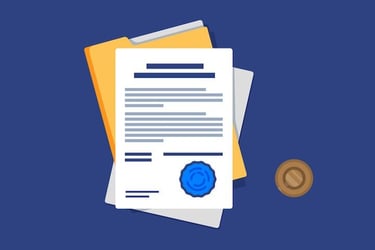
Compliance in government translation means meeting strict federal, state, and agency-specific requirements. These can include language access laws, procurement regulations, confidentiality rules, and quality standards.
Translators and LSPs must understand not only the language, but also the legal framework surrounding the content.
In the U.S., agencies are often required to provide accurate and accessible translations under civil rights and language access laws.
Failing to comply can result in lawsuits, funding issues, or loss of public trust. Compliance ensures that translated materials are accurate, appropriate, and legally defensible.
Security Protects Sensitive Information
Security in government translation is about protecting data at every stage of the process. That includes how files are transferred, who has access to them, where they are stored, and how long they are retained.
A single unsecured email or unvetted linguist can create a serious vulnerability. Government agencies expect translators to follow strict security protocols.
These may involve secure file-sharing systems, background-checked linguists, controlled access environments, and clear data destruction policies.
Security isn’t just an IT concern. It’s a responsibility shared by everyone involved in the translation workflow.
Trust Is Everything in Government Work
Government agencies rely on partners they can trust. When an LSP demonstrates strong compliance and security practices, it builds confidence that the work will be handled responsibly. That trust is hard-earned and easily lost.
Once trust is broken, the consequences can be long-lasting. Agencies may face public scrutiny, internal investigations, or damage to their reputation. For LSPs, one security incident can mean the end of a government relationship.
Accuracy and Security Go Hand in Hand
High-quality translations and strong security practices support each other. A secure environment helps ensure that only qualified, authorized linguists work on sensitive content.
Compliance standards often require multiple levels of review, which improves accuracy and consistency.
When translators understand the stakes, they approach the work with the seriousness it deserves. They follow terminology guidelines, respect confidentiality, and ask questions when something isn’t clear. That level of care is essential in government contexts.
The Human Impact of Getting It Right
At the heart of government translation are people. Immigrants navigating legal systems, patients receiving healthcare information, communities responding to emergency alerts.
Compliance and security help ensure that these individuals receive clear, accurate information without their personal data being exposed or misused.
When translations are handled properly, they empower people to make informed decisions and access essential services. When they aren’t, confusion and mistrust can take root quickly.
Choosing the Right Translation Partner Matters
Not every LSP is equipped to handle U.S. government work.
Agencies need partners who understand compliance requirements, maintain robust security measures, and have experience working within regulated environments. This includes having documented processes, trained linguists, and a culture that prioritizes responsibility over speed alone.
A reliable LSP doesn’t cut corners. They invest in secure systems, ongoing training, and quality assurance because they understand what’s at stake.
Compliance and Security Above All Else
Compliance and security in U.S. government translation aren’t just boxes to check. They’re essential practices that protect institutions, individuals, and public trust. When done right, they support accuracy, transparency, and effective communication across languages.
In a space where every word can matter, taking compliance and security seriously isn’t optional. It’s the only way to ensure government translations truly serve their purpose.
Are you in a government agency looking for linguistic help that understands the sector? If so, why not get in touch? Consultations are free and there’s no obligation.
You’re in safe hands with us as we’re ISO 17100 and ISO 9001 compliant, have over twenty years of professional translation experience, and have earned the trust of organizations around the world.